FACTORY STAGES
Plan Your Beanie from Cutting to Packaging
Our manufacturing pipeline connects fabric preparation with precision cutting, panel decoration, assembly, and piece-by-piece checking.
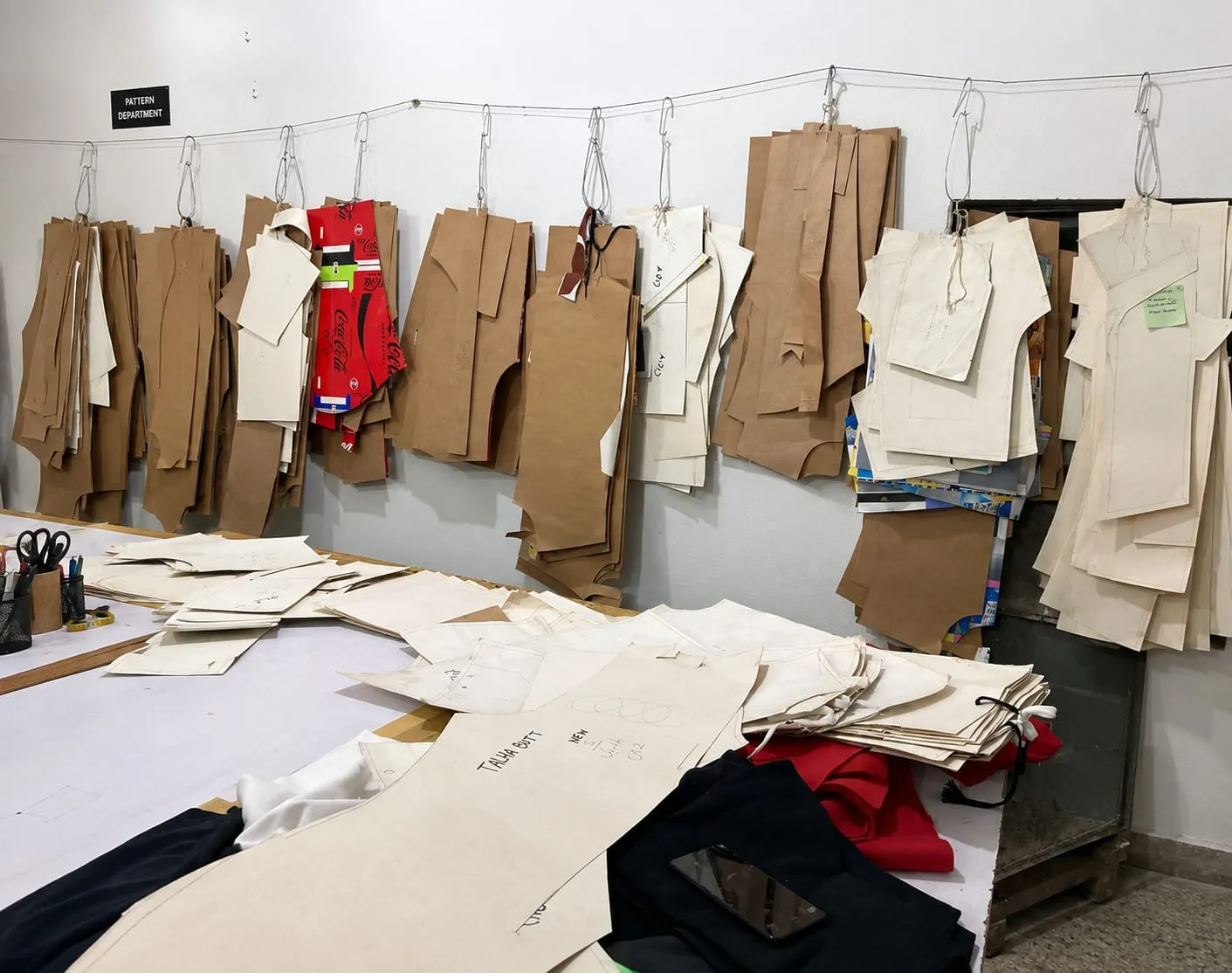
Fabric cutting
Cutting starts from the pattern and measurements agreed for the beanie. A buyer can provide a tech pack, size chart, reference sample, colour breakdown and any notes about fabric direction or panel placement. Each style may require a different arrangement of pieces, so the pattern and size range should be clearly identified. If a measurement, material or design panel changes, confirm that the cutting information has been updated before the order proceeds. Discuss how sizes and colours are to be grouped and identified, and make sure the quotation reflects the agreed product and quantity.
Printing
Printing requirements should identify the exact artwork, colour references, dimensions and position on the beanie. Use a front, back or detail view and mark the placement point with measurements where possible. If artwork has several colours, layers or placements, specify each one and provide the approved file version. Method suitability depends on the material, design and product, so ask the team to confirm the option being quoted. Any setup, artwork preparation, sample approval or additional print detail should be recorded in the order scope rather than left to assumption.
Embroidery
Embroidery enquiries benefit from a clear artwork file, placement image, approximate dimensions and thread colour preferences. The location of the design and the type of garment can affect the proposed approach, so share construction details such as panels, seams or pockets around the embroidery area. Ask which artwork preparation is required, whether a digitized file is needed and what related costs or approvals apply. Confirm the final position and size against a sample or written specification before proceeding with the agreed order.
Stitching
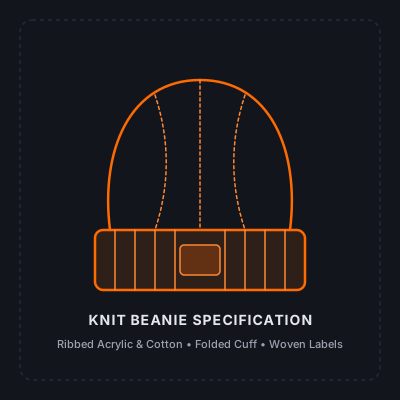
Stitching follows the construction details approved for the beanie: seams, joining, closures, pockets, cuffs, hems and finishing. A clear product specification helps explain these choices without relying on a name or reference image alone. Include measurements, seam diagrams, labels and details that are important to fit or function. Discuss any tolerance or acceptance point that matters to your brand and document the agreement. If the sample review leads to a construction change, update the specification and confirm its impact on the quote and schedule.
Checking
Product checking should use criteria that both sides understand. Buyers can identify the measurement points, visual features, artwork placement, stitching or finishing details they expect to be reviewed. Explain how findings should be recorded and what action is expected if a result falls outside the agreed criteria. Inspection scope, sampling plans, tolerances and acceptance methods are specific to the order; Perfit Industry does not publish a blanket inspection guarantee or certification. Agree the method in writing, including when checking occurs and what documentation is provided.
Packaging
Packaging is part of order preparation and should be specified alongside the beanie. Describe folding, individual bagging, size grouping, labels, inserts, assortment, cartons or shipping marks that you need to discuss. If packaging artwork or destination information is required, provide the files and instructions before the order is finalized. Confirm which materials and packing steps are included, whether special requests change cost or timing, and how the goods are to be prepared for the agreed destination. Do not assume a packaging method or export arrangement without written confirmation.